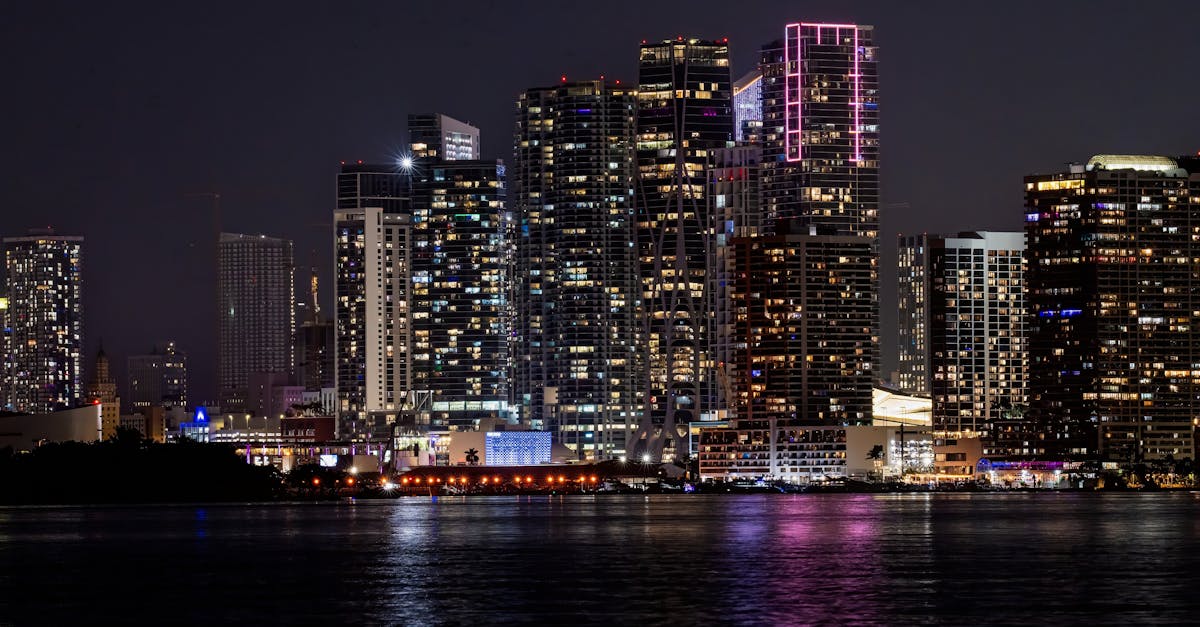
Brickell: What the Skyline Doesn't Tell You
Stand on Brickell Avenue on a Tuesday morning and it's easy to feel like you've wandered onto a film set for a city that hasn't been built yet. Cranes overhead, a new tower every few blocks, the bay glinting just past the next intersection. It looks like somewhere money goes to feel at home.
And mostly, that's accurate. Brickell is Miami's financial spine — dense, vertical, and unapologetically expensive. The neighborhood runs roughly from the Miami River south toward Coconut Grove, and it has spent the last decade transforming from a nine-to-five office corridor into a live-work-brunch district with genuine staying power.
For renters, that transformation cuts both ways. The upside: walkability that's rare for Miami, a functional transit stop on the Metrorail, and the kind of building amenities — rooftop pools, coworking lounges, concierge — that elsewhere would feel like satire. Brickell City Centre put retail and dining directly under the same roofline as apartments, which matters more than it sounds when summer heat turns sidewalks into a punishment.
The downside is the price of admission. Units here sit at the luxury end of the Miami market by default. Even the older stock — mid-rise condos from the early 2000s — commands a premium because proximity to downtown is worth paying for, and the neighborhood knows it.
A few things worth keeping in mind if you're considering a move here. Post-Surfside, Miami-Dade's 40-year recertification requirements have put older buildings under sharper scrutiny, and Brickell has its share of aging concrete towers alongside the new glass ones. Before signing, it's worth asking a landlord or building manager for documentation of any recent structural or electrical inspections filed with the Miami Building Department. It's a reasonable question in this market, not a paranoid one.
Noise and density are real. Brickell is not a neighborhood that goes quiet at 10pm, and the construction pipeline means that for the foreseeable future, your weekend alarm might come from a jackhammer rather than your phone.
What you're buying — renting, technically — is access. To the bay, to downtown, to an airport that's genuinely close, and to a version of Miami that feels more like a city than a collection of suburbs with good lighting.
Whether that's worth the rent is a personal calculation. But at least Brickell knows exactly what it's selling.


