The View From the 40th Floor Costs You
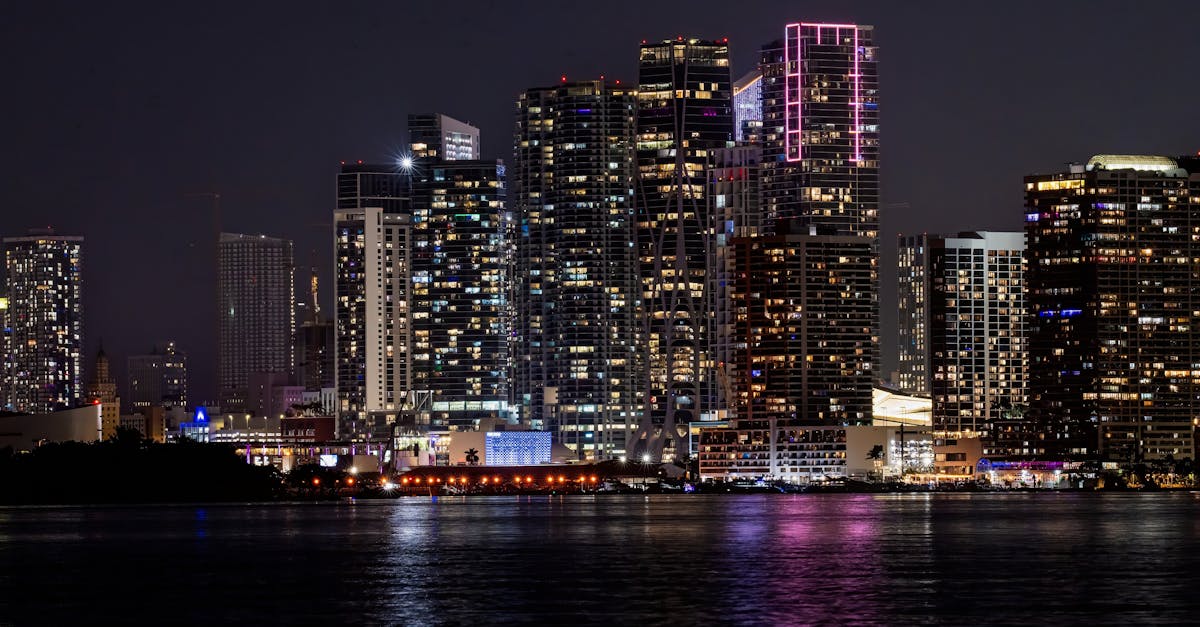
Stand at the corner of Brickell Avenue and SE 8th Street on any weekday morning and count the cranes. It's easier than counting the coffee shops — and there are a lot of coffee shops. Brickell has spent the last decade stacking glass towers on what used to be a quiet banking corridor, and the result is one of the densest, most energetic rental markets in Miami-Dade.
That density comes with a price, literally. Studios in Brickell routinely list above what you'd pay in Wynwood or Edgewater for comparable square footage. What you're buying is walkability — the Brickell City Centre, Metromover access, and a commute to Downtown that doesn't require a car — which in Miami is genuinely rare and genuinely valuable.
What to Know Before You Tour
Brickell's building stock skews newer, which matters more in Miami than almost anywhere else. Post-Surfside, Miami-Dade's 40-year recertification process put older mid-rises under a microscope, and buildings that haven't completed their structural and electrical reviews can carry uncertainty that shows up nowhere on a listing page. If you're touring a building that opened before 1990, it's worth asking your landlord or property manager directly where they stand on recertification — and getting that answer in writing before you hand over a deposit.
For newer towers, the checklist shifts. High-rises with amenity packages that would embarrass a boutique hotel often bundle those costs into rent or HOA fees that trickle down to renters. Rooftop pools and co-working lounges are genuinely nice until you realize you're paying for them whether you use them or not.
The Neighborhood's Trajectory
Brickell isn't arriving — it arrived. The buildout of the area's residential core is largely mature, which means rent growth here tracks broader Miami trends rather than the speculative spikes you still see in neighborhoods earlier in their cycle. That's a relative stabilizer, not a guarantee.
What Brickell offers a renter in 2025 is a known quantity: urban density, transit access, and a lease in a building that almost certainly has a working elevator. In Miami, that last part isn't a given.
The real question isn't whether Brickell is a good neighborhood. It is. The question is whether the premium over the rest of the city pencils out for your specific life — how often you'd actually take the Metromover, how much you care about a doorman, and whether "walkable" is a feature or a nice word on a listing you'll scroll past on your way to Coconut Grove.


