There's a version of Williamsburg that exists mostly in out-of-towners' heads: fixed-gear bikes, artisanal everything, rents that make you do the math twice. That version is not entirely wrong. It's just incomplete.
Williamsburg has spent two decades as one of New York City's most-watched neighborhoods, a reliable shorthand for gentrification, displacement, and the strange alchemy that turns industrial waterfront into some of the priciest real estate in Brooklyn. The L train runs under Bedford Avenue like a circulatory system — crowded, occasionally maddening, essential.
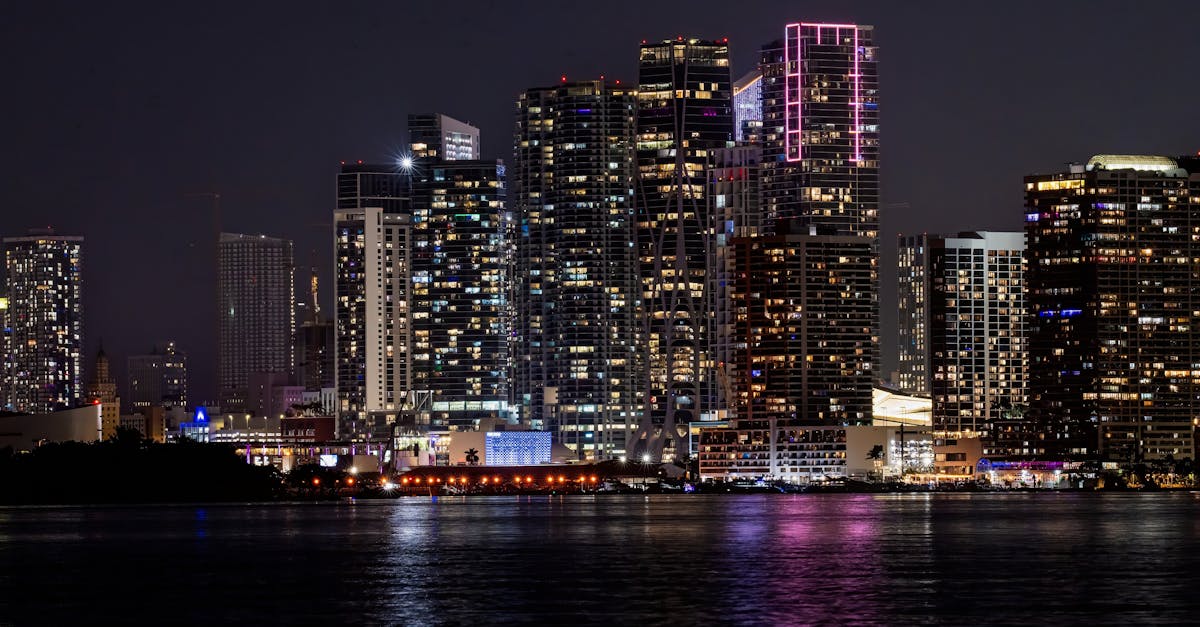
What makes Williamsburg genuinely interesting right now isn't the headline rents. It's the texture underneath them. The neighborhood is not monolithic. The blocks east of the BQE feel different from the waterfront towers that went up after the 2005 rezoning carved the shoreline into luxury territory. That rezoning — one of the most consequential land-use decisions in recent Brooklyn history — concentrated new development along the water and left the inland blocks in a kind of suspended state: older rent-stabilized stock sitting next to new construction asking two or three times as much per square foot.
For renters, that gap matters. Buildings along the waterfront corridors tend to be post-2009 construction, which means they fall outside rent stabilization unless a specific affordable housing program applies. Go a few blocks inland, and you're more likely to find older stock where DHCR registration records — searchable through the city — can tell you whether a unit has a regulated history worth asking about.
Transit is real leverage here. The L is the obvious artery, but the J, M, and Z lines at Marcy Avenue offer a quieter, less crowded ride into Manhattan — and rents on those blocks have historically reflected that lower foot traffic.
The honest summary: Williamsburg rewards renters who do the work. Check HPD's building complaint records before signing. Look up whether your building has open DOB violations. If the landlord mentions the waterfront views more than the lease terms, that's useful information too.
The neighborhood isn't going to get cheaper. But knowing which part of it you're actually renting in — and what protections, if any, come with it — is the difference between a fine apartment and an expensive lesson.